
Director

Deputy Head

Office

Principal Investigators

Dr. hum. biol. Hend Abdelrasoul
Group Leader AG Adapt to B
Schwerpunkte
Adaptive Immunity
B-Cell Biology

Dr. rer. nat. Marco Mannes
Group Leader of C3 defense
Schwerpunkte
Complement, coagulation, contact systems defense

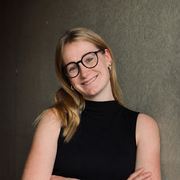
PhD students

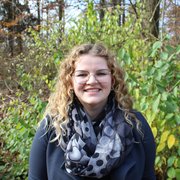
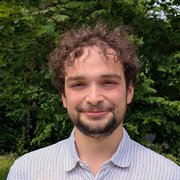
Technicians


Guest Scientist

Dr. rer. nat. Lisa Wohlgemuth
Schwerpunkte
Systemic inflammation
Innate immune response
Ex vivo whole blood model
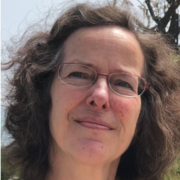
Professor, PhD Kristina Nilsson Ekdahl
Schwerpunkte
The Intravascular Innate Immune System (IIIS) — comprising complement, coagulation, fibrinolysis, kallikrein-kinin systems, platelets, and immune cells — orchestrates thromboinflammation: the tightly coupled interplay between clotting and inflammation. Central to this response are platelets, which upon activation drive extracellular phosphorylation of key plasma proteins — including C3, fibrinogen, and factor XI (FXI) — modifying complement activation, fibrin formation, and coagulation propagation. This is particularly relevant when blood contacts biomaterials, where plasma proteins form a “corona” on top of the biomaterial (e.g., stents, dialysis membranes, and bypass circuits) triggering harmful thromboinflammatory cascades. This research investigates platelets as master regulators that bridge innate immunity and coagulation, aiming to develop integrated diagnostic and therapeutic strategies that target the entire system.
MD PhD Bo Nilsson
Schwerpunkte
The Intravascular Innate Immune System (IIIS) — comprising complement, coagulation, fibrinolysis, kallikrein-kinin systems, platelets, and immune cells — drives thromboinflammation: the coupled interplay of clotting and inflammation. A current research interest is C3(H₂O) generation, initiated by phosphatidylserine (PS) scrambling on stressed or ischemic cell membranes, which opsonizes cell membranes and activates the alternative pathway of complement, thereby priming the system for physiological elimination. While normally protective, dysregulated complement activation causes serious tissue damage — particularly in ischemia-reperfusion injury (IRI), where restoration of blood flow after e.g. organ transplantation or trauma triggers a harmful thromboinflammatory cascade.
